Which Pullover Sweater Should You Buy?
Abstract
A Pullover Sweater looks simple, but buying the “right” one can feel weirdly risky: itchy fibers, mystery sizing, pilling after two wears, shrinking in the first wash, or a silhouette that photographs great but feels awful in real life. If you’re sourcing for a brand or store, the stakes jump even higher—sample-to-bulk inconsistency, color variation, and missed timelines can erase margins fast.
This guide breaks the decision down into practical, testable steps: how to choose fibers, how knit construction changes warmth and drape, what to ask for in sizing and tolerances, and how to evaluate quality before you commit. You’ll also get a buyer-friendly checklist, an easy comparison table, and a straight-shooting FAQ—so your next Pullover Sweater purchase is less guesswork and more control.
Table of Contents
- Outline
- What Problems Do Pullover Sweaters Commonly Cause
- How Do Materials Change Comfort and Durability
- What Fit Details Matter More Than the Size Tag
- How Can You Check Quality Before It’s Too Late
- How Should You Care for a Pullover Sweater to Make It Last
- How Can Sourcing Feel Safer for Brands and Retailers
- FAQ
- Conclusion
Outline
- Identify the top comfort and performance “deal-breakers” that make people regret a Pullover Sweater.
- Match fiber and yarn choices to climate, skin sensitivity, and expected wear frequency.
- Use fit checkpoints (not just the size label) to avoid boxy shoulders, tight armholes, or weird necklines.
- Run a quick quality screen—construction, pilling risk, color fastness, and shrink control.
- Follow care habits that prevent the most common “one-wash disasters.”
- If you’re buying in bulk, reduce risk with clear specs, measurable tolerances, and pre-production approvals.
What Problems Do Pullover Sweaters Commonly Cause
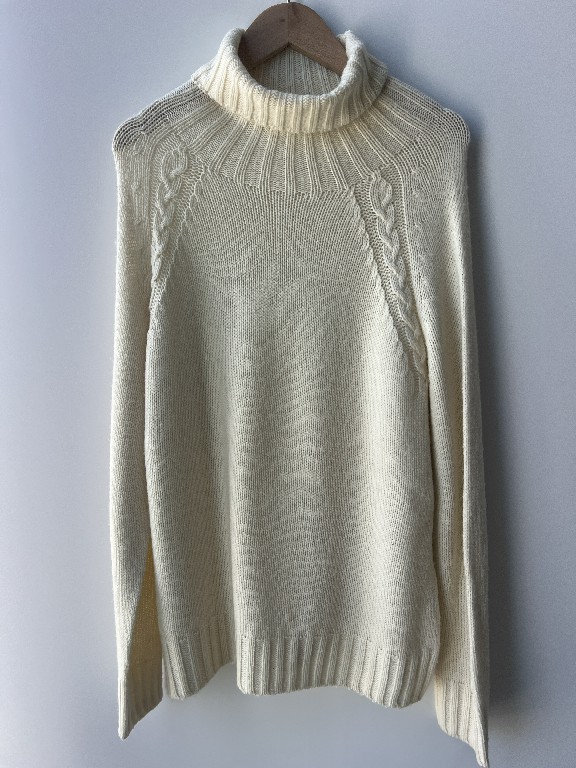
Let’s call it: most “bad sweater experiences” repeat the same patterns. If you know what to look for, you can avoid 80% of regrets before checkout—especially when choosing a Pullover Sweater for daily wear, uniforms, gifting, or resale.
- Itching and scratchiness caused by coarse fibers, harsh finishing, or poor blending choices.
- Pilling (those tiny fuzz balls) from short-staple fibers, loose twist yarns, and high-friction zones.
- Shrink and shape loss from unstable fibers, weak pre-shrinking controls, or wrong wash instructions.
- Overheating or “clammy warmth” when breathability doesn’t match your climate or layering habits.
- Neckline annoyance (too tight, too wide, rolling edges) that makes the sweater feel cheap fast.
- Unreliable sizing where the tag says one thing and the garment behaves like another.
If you’re a buyer for a brand, add a second list of “business pain”:
- Sample-to-bulk mismatch in hand-feel, color, or measurements.
- Inconsistent shade lots across production runs.
- Returns and reviews triggered by pilling, shrink, and fit complaints.
- Late delivery that misses seasonal selling windows.
Good news: none of these are mysterious. They’re tied to materials, construction, and process control—things you can ask about and verify.
How Do Materials Change Comfort and Durability
Material choice is the fastest way to “predict” how a Pullover Sweater will feel after 10 wears, not just how it feels on a hanger. Think of fibers as personality types: some are cozy but high-maintenance; others are practical but less luxurious.
| Material | Best For | Common Complaints | Care Reality | Pilling Risk |
|---|---|---|---|---|
| Cotton | Breathable everyday wear, mild climates, sensitive skin | Can feel heavy, may stretch out if knit is loose | Usually easier to wash, reshape while damp | Low to Medium |
| Wool (general) | Warmth, cold climates, structured silhouettes | Itchiness for some, shrink if mishandled | Gentle wash or dry clean depending on finishing | Medium |
| Merino wool | Soft warmth, layering, temperature swings | Can snag, may pill if very fine and loosely knit | Gentle wash, avoid heat, dry flat | Medium |
| Cashmere | Luxury feel, lightweight warmth, gifting | Pilling early (often normal), delicate over time | Gentle care, careful storage | Medium to High |
| Acrylic / synthetic blends | Budget-friendly, color range, easy-care uniforms | Static, less breathable, can feel “plasticky” | Often machine-washable, avoid high heat | Medium |
| Wool blend (wool + nylon, wool + acrylic) | Better strength, lower cost, improved durability | Depends on blend ratio and finishing quality | Usually more forgiving than 100% wool | Medium |
Three practical rules that save money and frustration:
- If you hate itch, prioritize fine wools (like merino) or cotton-heavy blends, and look for smoother finishing.
- If you wear it often, durability matters more than fantasy softness. Blends can be a smart compromise.
- If you run warm, breathability beats thickness. A lighter knit with good airflow often feels better than a bulky knit indoors.
One more underrated factor: yarn quality and twist. Even with the same fiber label, a tighter twist yarn usually pills less and holds shape better. If you’re sourcing, ask whether the yarn is designed for anti-pilling or high-wear use.
What Fit Details Matter More Than the Size Tag
Sizing is where many Pullover Sweater purchases fail. Two sweaters can share the same labeled size and still wear completely differently because knit garments behave like “soft architecture.”
- Shoulder seam placement: If it drops too far, the sweater can look slouchy (good) or messy (bad) depending on your intent.
- Armhole depth: Too shallow feels restrictive; too deep can make the torso balloon and shorten your arms visually.
- Body length: Cropped, regular, and longline each change proportions; decide based on how you actually style outfits.
- Neck opening: A tight crew can feel “choking” under coats; a wide neck can slip off shoulders and expose layers.
- Cuff and hem rib: Ribbing controls shape retention. Weak ribbing often leads to stretching and a tired-looking hem.
If you’re buying for a team, a store, or a brand drop, don’t rely on only “S/M/L.” Use a measurement chart and set tolerances. A common, buyer-friendly approach:
- Confirm chest width, body length, shoulder width, sleeve length.
- Set acceptable variance (for example, within a small range) and ensure it is consistent across sizes.
- Approve a pre-production sample that matches your chosen measurements.
How Can You Check Quality Before It’s Too Late
You don’t need a lab to spot a weak Pullover Sweater. You just need a systematic check that focuses on the areas where quality failures show up first.
- Surface consistency: Uneven knit tension, streaks, or bumpy panels can signal unstable workmanship.
- Seam integrity: Look for clean joining, no loose threads, and secure seams at shoulder and armhole stress points.
- Neckline finishing: A well-finished collar lies flat and rebounds after gentle stretching.
- Stretch recovery: Lightly stretch a cuff and release—does it snap back, or stay lax?
- Pilling prediction: Rub the fabric gently (especially underarm/side areas). If fuzz appears immediately, pilling risk is higher.
- Color stability: Deep shades and bright tones need better dye control; ask about color fastness expectations for washing and rubbing.
If you’re sourcing in bulk, quality checks become a business shield. Ask for:
- Clear spec sheets (fiber content, gauge, measurements, washing instructions).
- Pre-production approval so the bulk matches the approved standard.
- Packaging and labeling clarity to reduce returns and customer confusion.
How Should You Care for a Pullover Sweater to Make It Last
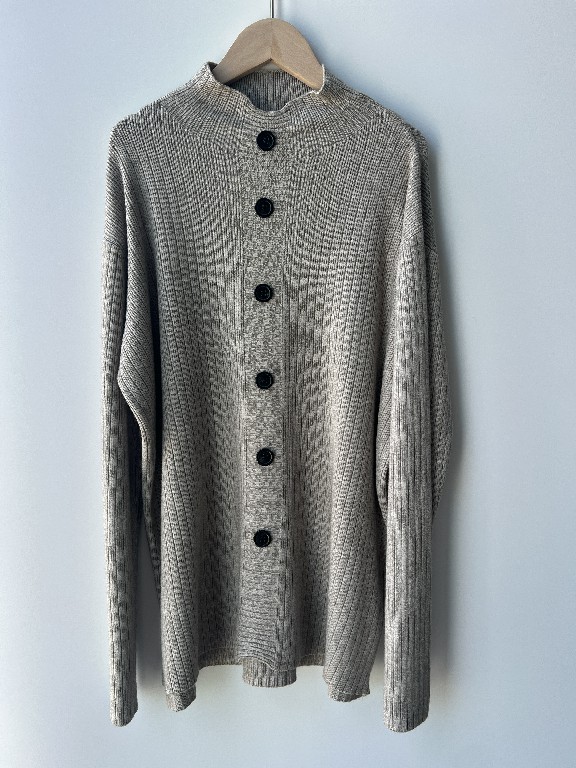
The quickest way to ruin a Pullover Sweater is heat + agitation. Most “shrunk sweater tragedies” come from treating knits like sturdy tees.
- Wash less, air more: Many sweaters don’t need frequent washing—spot clean and air out when possible.
- Use cool water: Heat increases shrink risk and speeds fiber wear.
- Avoid harsh spinning: High agitation encourages pilling and shape distortion.
- Dry flat: Hanging a wet sweater can stretch it permanently.
- Store folded: Hanging long-term can pull shoulders out of shape.
Bonus tip for pilling: early pilling doesn’t always mean “bad quality.” Some premium fibers pill because they’re fine and soft. What matters is whether pilling becomes excessive and whether the sweater loses its surface quickly. A gentle fabric comb (used carefully) can keep the surface tidy.
How Can Sourcing Feel Safer for Brands and Retailers
If you’re buying a Pullover Sweater for resale, uniforms, or private label, you’re not just choosing a garment—you’re choosing predictability. That’s where a clear process matters as much as the design.
West Bull Bridge (Zhejiang) Import & Export Trading Co., Ltd. works with buyers who want knitwear they can confidently repeat: consistent measurements, reliable color, and a clear path from sample to bulk. If you’re exploring a pullover category for your line, it helps to align early on:
- Target customer use (office layering, outdoor warmth, school uniform, gifting).
- Material priorities (softness, durability, budget, easy care).
- Fit and silhouette (classic, oversized, cropped, relaxed).
- Brand details (labels, hangtags, packaging, color palette).
- Timeline expectations (sampling, approval, production, shipment).
The goal is simple: fewer surprises. When specs are measurable and approvals are clear, the final bulk feels like a repeatable system—not a gamble.
FAQ
Q: Why does my Pullover Sweater pill so fast?
A: Pilling usually comes from friction plus fiber length and yarn twist. Softer, finer fibers and looser knits can pill earlier—especially at underarms, sides, and cuffs. It doesn’t always mean the sweater is “bad,” but extreme pilling can signal weak yarn or unstable construction.
Q: How can I avoid a sweater that feels itchy?
A: Choose softer fibers (fine wools like merino, cotton-heavy blends) and avoid rough finishes. If you’re sensitive, prioritize smooth hand-feel and consider layering with a thin base layer to reduce direct contact.
Q: What makes one Pullover Sweater warmer than another?
A: Warmth comes from fiber insulation, knit density (gauge), and how well the garment traps air. A denser knit and insulating fibers tend to feel warmer, while lighter knits often perform better indoors.
Q: Why do sizes feel inconsistent across brands?
A: Knit garments stretch and recover differently depending on fiber, gauge, and finishing. Two “mediums” can behave differently. The best fix is to use measurement charts and check shoulder, chest, and sleeve dimensions—not just the size letter.
Q: If I’m buying in bulk, what should I confirm before production?
A: Confirm fiber content, knit gauge, measurement chart, tolerances, color standard, and washing instructions. Approving a pre-production sample that matches your specs is one of the strongest ways to reduce risk.
Q: What’s the safest way to wash a Pullover Sweater?
A: Cool water, gentle handling, minimal agitation, and flat drying. Heat and aggressive spinning are the main causes of shrink and shape loss.
Conclusion
A great Pullover Sweater isn’t about luck—it’s about matching materials and construction to real-life use, then verifying the details that control comfort and durability. Whether you’re shopping for yourself or sourcing for a brand, the same principles apply: pick the right fiber for the job, watch fit checkpoints instead of trusting the tag, and don’t skip basic quality screening.
If you want a smoother, lower-risk sourcing process for your next Pullover Sweater project—sampling, customization, bulk production, or repeat orders—contact us at West Bull Bridge (Zhejiang) Import & Export Trading Co., Ltd. and tell us what you’re building. We’ll help you turn your spec into a sweater you can confidently sell and reorder.