Why Is a Turtleneck Sweater Still One of the Smartest Choices for Modern Wardrobes?
Cold mornings, uncomfortable layering, inconsistent fit, and quick fabric wear are common frustrations when shopping for knitwear. A well-made Turtleneck Sweater addresses these issues by combining warmth, structure, comfort, and styling flexibility in one practical piece. In this guide, we explore what makes a Turtleneck Sweater valuable for daily wear, business dressing, seasonal layering, and retail sourcing. We also explain how buyers can evaluate material, construction, collar shape, softness, durability, and use scenarios before making a decision. As a manufacturer-focused supplier, West Bull Bridge (Zhejiang) Import & Export Trading Co., Ltd. understands that customers are not just buying a sweater—they are choosing comfort, appearance, and long-term usability.
Table of Contents
- Article Outline
- What makes a turtleneck sweater different from other knitwear?
- Which common customer problems can a turtleneck sweater solve?
- How should buyers choose the right material?
- What fit and collar details matter most?
- Where can a turtleneck sweater be worn?
- How does it compare with other sweater options?
- What should buyers check before placing an order?
- How can users keep the sweater looking new?
- FAQ
- Conclusion
Article Outline
- Understanding the defining features of a Turtleneck Sweater
- Identifying the customer pain points it can solve
- Comparing fibers, hand feel, warmth, and maintenance needs
- Reviewing fit, collar construction, and wearer comfort
- Exploring styling uses for casual, office, travel, and winter settings
- Comparing turtleneck styles with crew neck, mock neck, and cardigan options
- Building a practical buyer checklist for sourcing and selection
- Sharing care tips and answering common buyer questions
What makes a turtleneck sweater different from other knitwear?
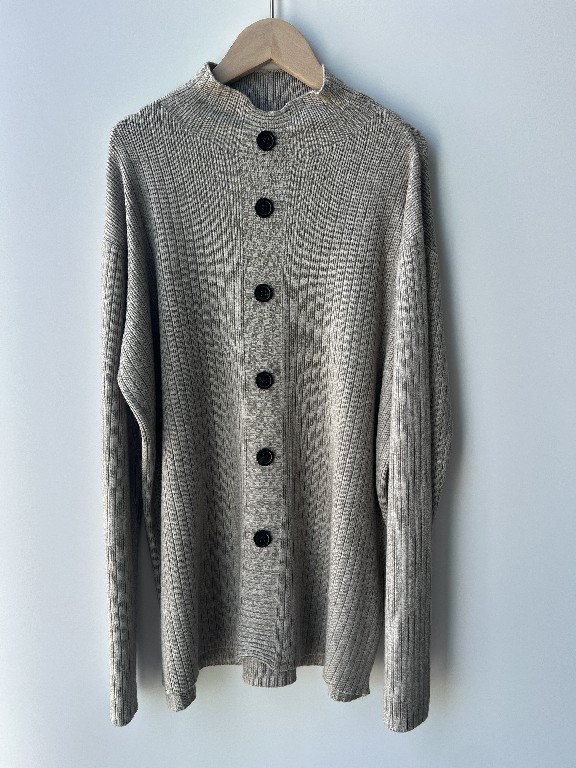
A Turtleneck Sweater stands out because of its extended collar that folds or sits high around the neck. That single design feature changes both function and appearance. It adds warmth without requiring a scarf, frames the face more clearly than lower-neck sweaters, and gives the outfit a cleaner line. For many customers, this makes it one of the easiest garments to wear during cool weather because it balances practicality with a polished look.
Unlike basic pullovers that leave the neck exposed, a turtleneck creates a more complete silhouette. It can feel more refined than a casual crew neck and more protective than a mock neck when temperatures drop. At the same time, it works as a standalone piece or as a base layer under coats, blazers, and jackets. That flexibility is exactly why it remains relevant year after year.
For buyers who want one item to serve multiple wardrobes and occasions, the Turtleneck Sweater offers a rare combination of insulation, elegance, and styling efficiency. It is not only a winter item. Depending on yarn weight and fabric blend, it can also work through autumn, early spring, commuting seasons, and indoor air-conditioned environments.
Which common customer problems can a turtleneck sweater solve?
Many customers do not simply ask whether a sweater looks nice. They ask whether it solves daily problems. A good turtleneck can address several of them at once:
- Neck exposure in cold weather — the higher collar offers built-in warmth.
- Difficult layering — slimmer knit structures fit neatly under outerwear.
- Outfits that look too plain — the neckline adds visual depth and sophistication.
- Fast loss of shape — better yarn recovery and collar construction improve durability.
- Discomfort from rough fibers — softer blends help reduce itching and stiffness.
- Seasonal versatility concerns — different gauges allow use across multiple climates.
This matters to individual shoppers as much as to apparel buyers. End users want comfort, but wholesalers and retailers also care about return rates, satisfaction, repeat purchase potential, and product consistency. When a sweater pinches at the neck, pills too quickly, or feels bulky under a coat, it stops being useful no matter how attractive it looks on a product page.
That is why serious sourcing should begin with the wearer’s real experience. Softness, drape, breathability, resilience, and neck comfort are not secondary features. They are often the true decision points.
How should buyers choose the right material?
Material choice defines how a sweater feels, performs, and ages. Some buyers focus on softness, some on warmth, and some on price stability. The best option depends on the intended market and use case. Lightweight office knitwear may need a different fiber blend than thick winter casualwear.
| Material Type | Main Advantage | Possible Concern | Best Use |
|---|---|---|---|
| Cotton Blend | Breathable and easy to wear | May offer less insulation in very cold weather | Daily casual wear and transitional seasons |
| Wool Blend | Warm and resilient | Can feel prickly if finish is poor | Cold climates and winter layering |
| Cashmere Blend | Soft hand feel and premium appearance | Higher cost and more delicate care | Upscale retail and refined styling |
| Synthetic Blend | Cost-effective and shape-stable | May trap heat if blend is not balanced | High-volume orders and everyday basics |
Buyers should also consider gauge, yarn twist, surface finish, and stretch recovery. Two sweaters can share the same fiber label but feel completely different in wear. A quality-focused supplier such as West Bull Bridge (Zhejiang) Import & Export Trading Co., Ltd. can support buyers by discussing not only composition, but also intended performance and target market positioning.
What fit and collar details matter most?
The collar is the signature of a Turtleneck Sweater, but it can also be the reason a customer rejects it. If the neck is too tight, it feels restrictive. If it is too loose, it loses shape and warmth. If the fold is uneven, the entire sweater looks less refined. Buyers should pay close attention to collar height, elasticity, density, and edge finish.
Other fit points are just as important:
- Shoulder line placement for clean structure
- Sleeve width for layering comfort
- Body length for tucking or untucked styling
- Hem recovery to prevent sagging after repeated wear
- Balanced proportions between chest ease and neck height
A flattering fit does not always mean slim. Some markets prefer relaxed silhouettes, while others value a more tailored shape. The key is consistency. Customers are far more satisfied when the product delivers the silhouette promised in the listing and fits the lifestyle it was designed for.
Where can a turtleneck sweater be worn?
One reason the Turtleneck Sweater remains commercially valuable is that it works in multiple settings without requiring heavy styling effort. Customers can wear it during commuting, meetings, travel, weekend outings, or cool indoor workdays.
| Use Scenario | Recommended Style Direction | Why It Works |
|---|---|---|
| Office Wear | Fine knit, solid color, clean hem | Looks neat under blazers and coats |
| Casual Daily Use | Relaxed fit, soft blend, versatile colors | Comfortable and easy to match with denim or skirts |
| Travel | Wrinkle-resistant knit, medium weight | Practical warmth with minimal packing complexity |
| Winter Layering | Dense knit, warm blend, structured neck | Adds insulation while maintaining a clean profile |
This adaptability helps both consumers and sellers. End users get more outfit mileage from a single item, while retailers gain a product that can be marketed across style categories rather than locked into one narrow trend.
How does it compare with other sweater options?
Customers often compare turtlenecks with crew necks, mock necks, and cardigans before making a purchase. Each has strengths, but the turtleneck holds a unique position because it combines warmth, visual structure, and refined styling in a single silhouette.
- Compared with crew neck sweaters — turtlenecks offer more neck coverage and a more dressed-up appearance.
- Compared with mock neck sweaters — turtlenecks usually provide stronger warmth and a more classic profile.
- Compared with cardigans — turtlenecks create a cleaner uninterrupted front and often look more sleek under outerwear.
- Compared with hooded knitwear — turtlenecks appear more polished and are easier to use in office or semi-formal settings.
For buyers building a balanced knitwear collection, the turtleneck often fills the gap between comfort and elevated presentation. It can be minimal, classic, modern, or softly luxurious depending on the yarn, shape, and finishing details.
What should buyers check before placing an order?
Whether purchasing for personal use, wholesale distribution, or private label development, buyers should assess more than color and price. A practical checklist helps avoid common mistakes:
- Confirm fabric composition and intended climate suitability.
- Review collar elasticity and recovery after stretching.
- Check stitch density and seam neatness.
- Ask about available sizing standards and measurement tolerances.
- Understand pilling resistance and care recommendations.
- Compare silhouette options for men’s, women’s, or unisex programs.
- Evaluate customization support for color, pattern, labels, and packaging.
- Request clear communication on lead time and production consistency.
Reliable product development depends on clear coordination between buyer expectations and supplier execution. This is especially important when sourcing a Turtleneck Sweater collection intended for repeat orders or brand expansion. The right supplier should understand style direction, comfort requirements, and manufacturing practicality at the same time.
How can users keep the sweater looking new?
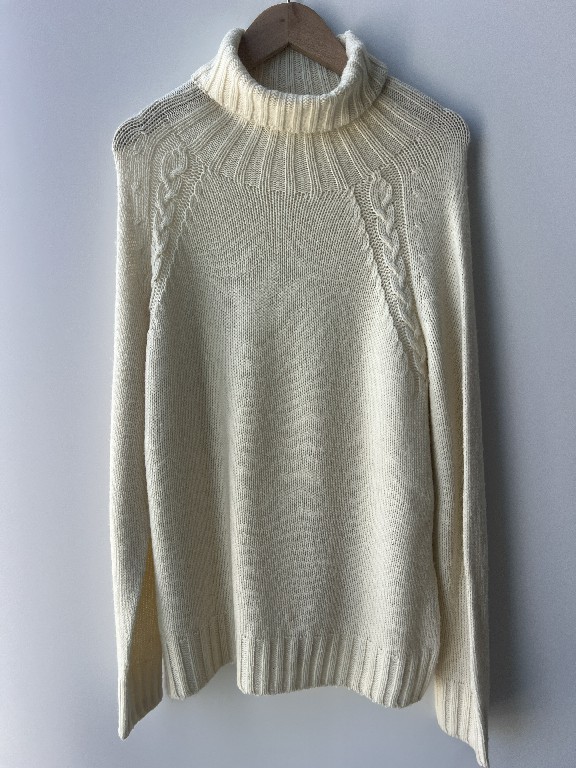
A quality sweater lasts longer when customers care for it correctly. This helps protect the garment’s texture, shape, and visual value.
- Wash gently according to fiber type and label instructions.
- Dry flat when needed to reduce stretching.
- Fold instead of hanging heavier knits to maintain shoulder shape.
- Store in a clean, dry space to protect yarn quality.
- Use fabric tools carefully to remove light surface pilling.
Proper care extends not only the life of the sweater but also the customer’s satisfaction with the purchase. That makes after-purchase experience just as important as first impression.
FAQ
Is a turtleneck sweater only suitable for winter?
No. Lightweight and breathable versions can work well in autumn, spring, and cooler indoor environments. The best choice depends on fiber blend and knit weight.
Can a turtleneck sweater be worn in professional settings?
Yes. Fine-gauge turtlenecks in clean colors pair well with tailored trousers, skirts, coats, and blazers, making them suitable for many office and business-casual environments.
What should I do if I worry about neck tightness?
Check the collar structure, elasticity, and fit notes before ordering. Softer yarns and better finishing often improve comfort significantly.
Which material feels the softest?
Softness varies by blend and finishing, but cashmere blends and carefully finished fine knits are often chosen for a gentler hand feel.
Why is the turtleneck sweater a strong product category for buyers?
Because it solves warmth, layering, and style needs at the same time. It appeals to different markets and works across multiple selling seasons.
Why does this classic knitwear category continue to matter?
A thoughtfully developed Turtleneck Sweater is more than a seasonal basic. It helps customers stay warm, look polished, layer efficiently, and simplify outfit decisions. For buyers, it represents a dependable category with wide styling potential and strong commercial relevance across different audiences. When material, collar comfort, fit, and workmanship are handled properly, the result is a garment people return to again and again.
If you are looking for a reliable knitwear partner with flexible product support and practical manufacturing experience, West Bull Bridge (Zhejiang) Import & Export Trading Co., Ltd. is ready to help you move from product idea to confident sourcing. Looking for a Turtleneck Sweater that matches your market, quality expectations, and style direction? Contact us today to discuss your requirements, request more product details, and discover the right solution for your next order.